
Case Study
86 Jervois Road
Fire protection for a beautifully restored heritage building — compliant, discreet, and sympathetic to the building's original architectural features.
Planning a similar project? Call 09 300
1980
today to
speak to one of our specialists.
Project Overview
86 Jervois Road is a beautifully restored heritage building in Auckland, where architectural character and historical significance were central to the refurbishment project.
When Waller Projects undertook redevelopment works on the property, one of the key challenges involved achieving compliance with fire protection requirements along the neighbouring boundary while preserving the building's original leadlight windows.
For Smoke Control New Zealand, the project presented an opportunity to deliver a compliant fire protection solution that balanced life safety, heritage preservation, and cost-effectiveness.
Working alongside Waller Projects, the project architect, and the fire engineering team, Smoke Control helped develop a tailored solution that protected the neighbouring property without compromising the building's unique architectural features.
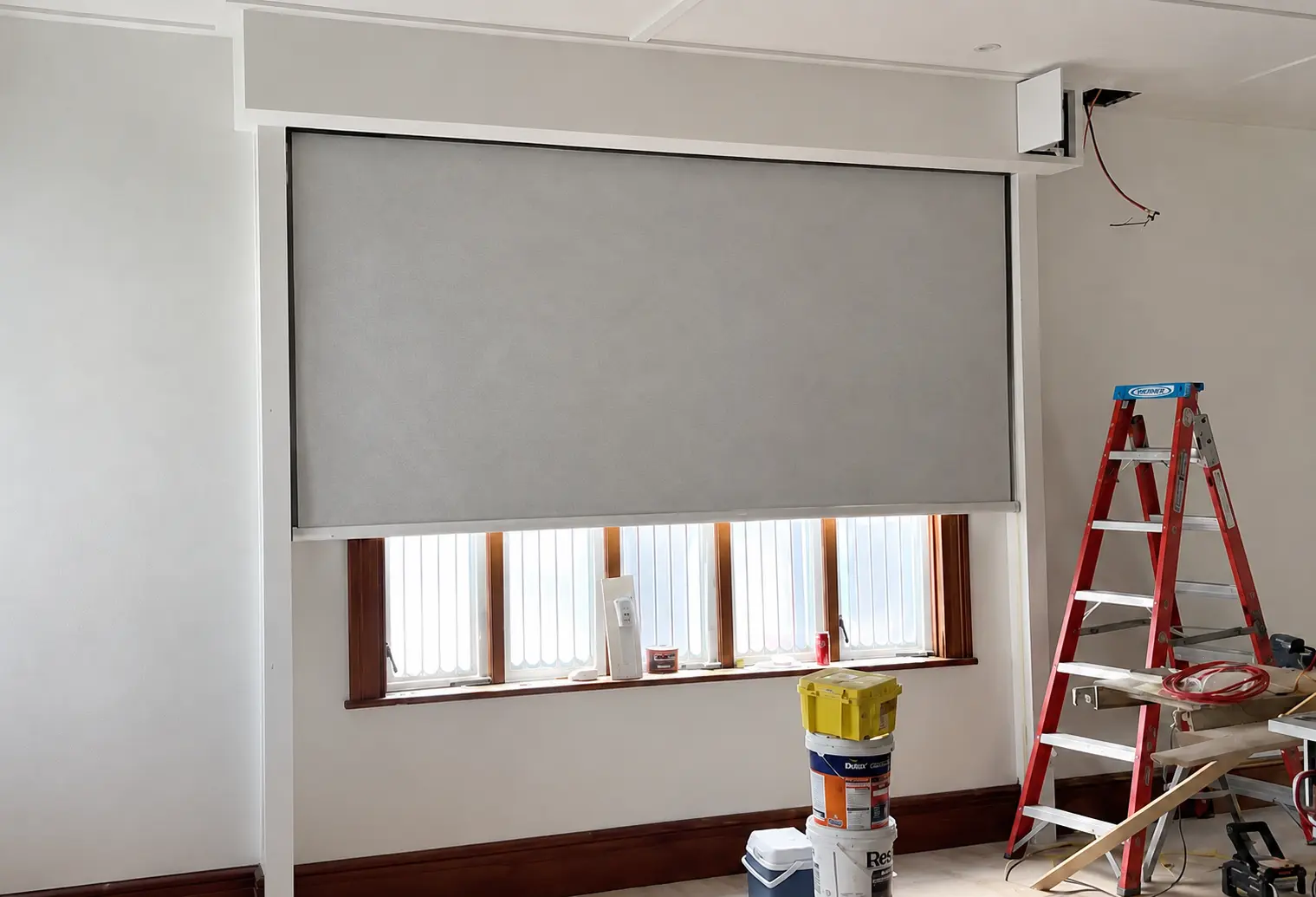
In September 2024, Smoke Control New Zealand was approached by Mark Waller of Waller Projects to assist with a building consent application requiring fire protection to the neighbouring boundary.
The building's original leadlight windows were a significant heritage feature and highly valued by the client. Traditional fire-rated construction methods would have required substantial alterations that risked compromising the character and appearance of the building.
The project team needed a solution that would:
- Achieve compliance with New Zealand Building Code requirements
- Protect the neighbouring property from fire spread
- Preserve the original leadlight windows
- Minimise visual impact on the heritage façade
- Deliver a practical and cost-effective outcome
Adding further complexity, the building was not sprinkler protected, requiring careful consideration of the fire performance requirements for the boundary condition.
Smoke Control’s Role
Smoke Control worked closely with Waller Projects and the design team from the early stages of the project to develop a compliant and practical fire protection strategy. During the initial site inspection and measure, it became apparent that the existing heritage structure would not provide adequate support for a fire curtain installation.
These findings were discussed with Waller Projects, who coordinated structural upgrades to ensure the building could safely accommodate the proposed system without impacting the architectural intent of the project. Through early engagement and collaboration, the team was able to identify a solution that addressed both compliance requirements and the client's strong desire to retain the original windows.
Our Solution
Fibershield® ULR Fire Curtain System
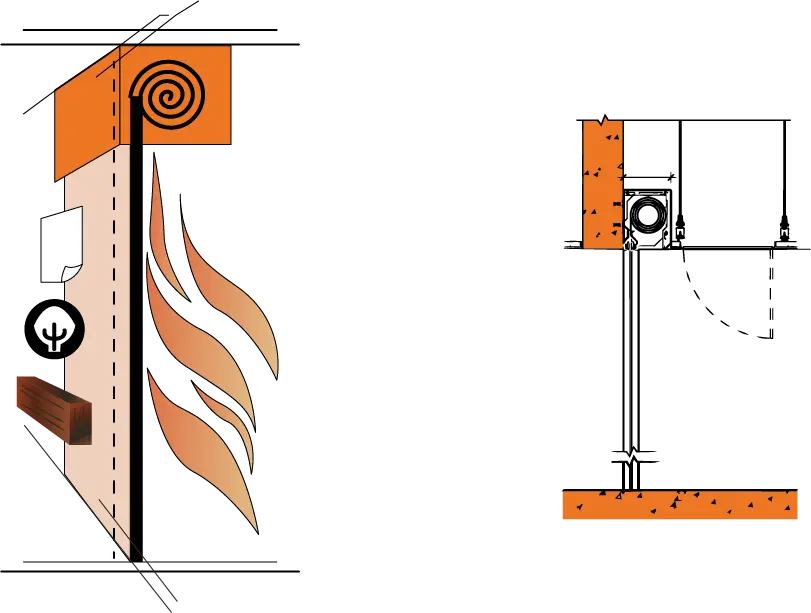
Smoke Control proposed the use of the Fibershield® ULR (Ultra Low Radiant) Fire Curtain System.
The partially insulated curtain was selected for its ability to provide a high level of fire separation while maintaining a discreet presence within the building fabric.
Key benefits of the solution included:
- Protection of the neighbouring property from fire spread
- Minimal visual impact on the heritage architecture
- Retention of the original leadlight windows
- Compliance with the project's performance requirements
- Cost-effective integration into the refurbishment works
Because the application involved a performance-based approach, the product was reviewed by the project's fire engineer to assess its suitability and equivalence for the specific boundary protection requirements.
Following a detailed assessment, the fire engineer approved the inclusion of the Fibershield® ULR system within the fire strategy, allowing the architect to formally specify the solution for the project.
Outcomes
The approved design enabled the project team to achieve the required level of fire protection without sacrificing the heritage features that made the building unique.
Smoke Control supplied and installed the Fibershield® ULR Fire Curtain in April 2025, completing commissioning and issuing the required PS3 producer statement upon completion.
The solution delivered:
- Building consent compliance
- Effective boundary fire protection
- Preservation of original heritage windows
- Seamless integration into the refurbished building
- Strong value for both the client and contractor
By combining technical expertise with a collaborative design process, the project team was able to achieve a result that balanced safety, heritage preservation, and practicality.
The Result
Safety, Openness, And Beauty — In One Venue
Today, 86 Jervois Road stands as an excellent example of how modern fire protection systems can be integrated into heritage buildings without diminishing their character.
Through early engagement, innovative product selection, and close collaboration between all project stakeholders, the development achieved both compliance and preservation objectives.
For Smoke Control New Zealand, projects like this demonstrate the value of performance-based fire protection solutions that support architects, builders, and building owners in protecting both people and places.
Because preserving our built heritage should never come at the expense of safety and achieving safety shouldn't require compromising the character that makes these buildings worth preserving.

SMOKE CONTROL NEW ZEALAND
SERVICE & MAINTENANCE ENQUIRIES
+64 9 300 1980
Mon to Fri – 8am to 5pm only
AH service available for approved customers.
Contact us for details.
SMOKE CONTROL AUSTRALIA
SMOKE CONTROL INTERNATIONAL
Smoke Control © 2022. Terms & Conditions | Privacy Policy | Disclaimer
Website by RGB Technologies